
What Is Visceral Fat and Why Does It Matter?
What is visceral fat and why does it matter? CalZone UK explains the health risks, warning signs, waist thresholds, and how to reduce hidden belly fat.
TL;DR:
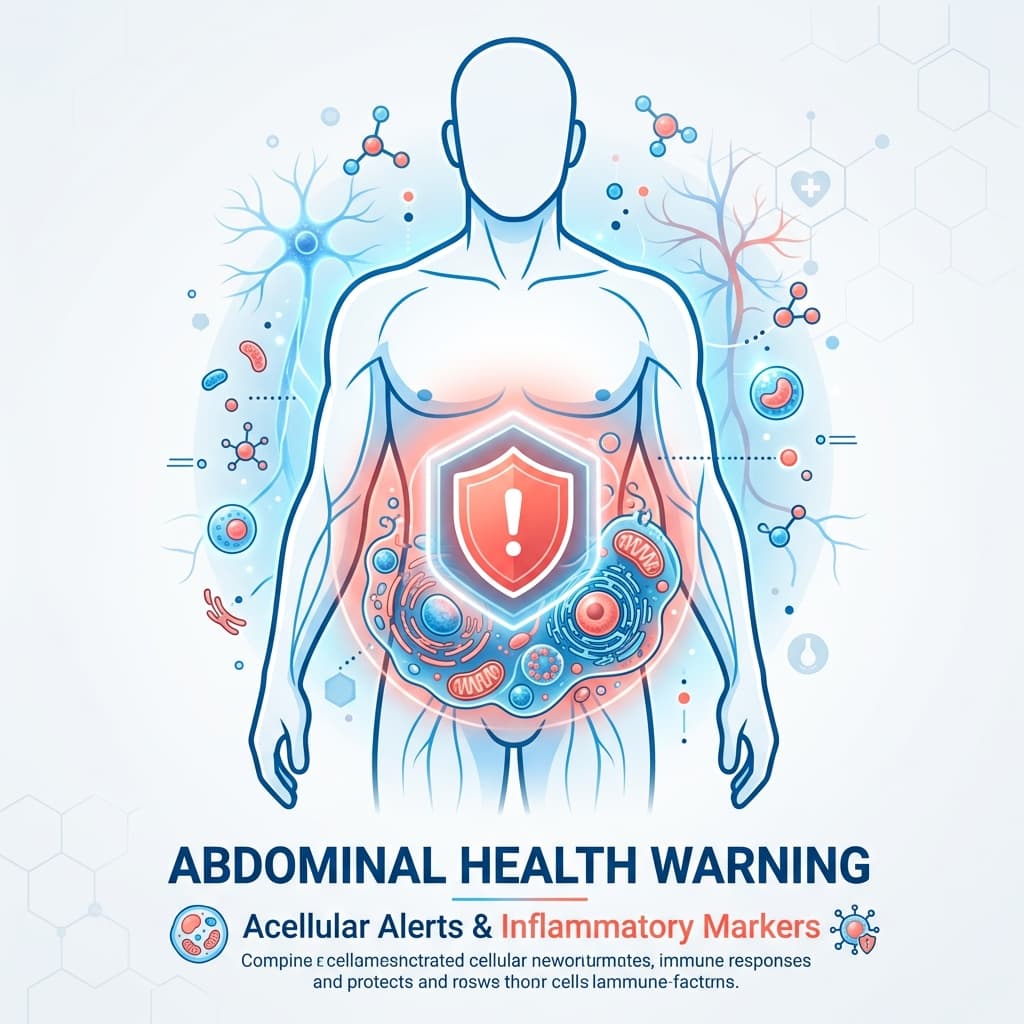
Visceral fat is fat stored deep inside your abdomen, wrapped around organs like the liver and pancreas rather than sitting under the skin. It matters because it's metabolically active — it releases inflammatory substances that raise your risk of type 2 diabetes, heart disease, stroke, and fatty liver disease, even if your weight or BMI looks "normal." NICE guidance flags increased risk above a 94cm waist (men) or 80cm (women), and high risk above 102cm (men) or 88cm (women).
Not all body fat behaves the same way. The fat you can pinch on your arms, thighs or hips is largely harmless from a metabolic standpoint. But the fat packed around your internal organs is a different story — and it's one of the strongest predictors of long-term health risk that most people have never had measured.
What Is Visceral Fat?
Visceral fat is body fat stored deep within the abdominal cavity, surrounding internal organs including the liver, pancreas, and intestines. It sits behind your abdominal muscles, which is why you can't see or pinch it, unlike subcutaneous fat, the softer layer stored just beneath the skin.
Everyone carries some visceral fat — it plays a normal role in cushioning organs and storing quick-access energy. The problem starts when levels build up beyond what's healthy, which can happen even in people who don't look overweight.
Why Does Visceral Fat Matter More Than Other Fat?
Visceral fat isn't just inert padding — it behaves almost like an organ in its own right. It's metabolically active, meaning it releases hormones and inflammatory compounds directly into the bloodstream and, notably, into the portal vein that feeds straight into the liver. This has knock-on effects throughout the body:
- Insulin resistance – interferes with how effectively your body regulates blood sugar, raising type 2 diabetes risk.
- Cardiovascular disease – contributes to higher blood pressure and unfavourable cholesterol levels, increasing heart attack and stroke risk.
- Fatty liver disease – excess visceral fat is strongly linked to fat building up in the liver itself.
- Metabolic syndrome – the cluster of high blood pressure, high blood sugar, and abnormal cholesterol that often develops together.
- Some cancers – research has associated elevated visceral fat with increased risk of certain cancers, including colorectal and breast cancer.
This is why two people can have an identical BMI but very different health risk, depending on where they carry their fat.
How Do You Know If You Have Too Much Visceral Fat?
Direct measurement of visceral fat requires imaging like a CT or MRI scan, which isn't practical for everyday screening. In routine UK practice, NICE guidance instead relies on simple proxy measures:
- Waist circumference – increased risk above 94cm (37in) for men or 80cm (31.5in) for women; high risk above 102cm (40in) for men or 88cm (34.6in) for women. Lower thresholds apply for some South Asian and other ethnic groups.
- Waist-to-height ratio – aim to keep your waist under half your height. A ratio of 0.5 or above is widely used as a warning sign, regardless of BMI.
To measure your waist correctly: find the midpoint between the bottom of your ribs and the top of your hip bone (roughly at belly button level), breathe out normally, and measure without pulling your stomach in.
CalZone's Visceral Fat Calculator and Waist-to-Height Ratio Calculator do this instantly, and pair well with the BMI Calculator UK and Reverse BMI Calculator for a fuller picture — since, as the British Heart Foundation explains, waist size can reveal risk that BMI alone misses.
Can You Have Visceral Fat With a "Normal" BMI?
Yes. BMI only accounts for weight relative to height — it says nothing about where that weight is distributed. It's entirely possible to fall within a "healthy" BMI range on the NHS BMI calculator while still carrying excess visceral fat, particularly if your waist measurement is disproportionately large for your height. This pattern is sometimes described informally as "skinny fat" or normal-weight obesity, and it's exactly why waist measurements matter alongside — not instead of — BMI.
What Causes Visceral Fat to Build Up?
Several everyday factors contribute to visceral fat accumulation:
- Diet – regularly consuming more calories than you burn, particularly from added sugar and refined carbohydrates.
- Inactivity – low levels of physical activity, especially minimal aerobic exercise.
- Poor sleep – insufficient or disrupted sleep is linked to increased abdominal fat storage.
- Chronic stress – prolonged high cortisol levels are associated with fat being preferentially stored around the abdomen.
- Alcohol – regular higher alcohol intake is linked to increased central fat storage.
- Ageing and hormonal changes – visceral fat tends to increase with age, and the hormonal shifts of menopause are linked to a shift toward more central fat storage in women.
How Can You Reduce Visceral Fat?
The encouraging news is that visceral fat tends to respond to lifestyle changes more readily than fat stored elsewhere on the body. The most evidence-based approaches include:
- Regular aerobic exercise – brisk walking, cycling, swimming or running, most days of the week.
- Dietary changes – reducing added sugar and refined carbohydrates in favour of whole foods, vegetables, and lean protein.
- Better sleep habits – prioritising consistent, adequate sleep.
- Stress management – techniques like regular movement, time outdoors, or relaxation practices to help manage cortisol levels.
- Cutting back on alcohol – reducing regular alcohol intake.
If you want to work out a sensible, individualised calorie target rather than guessing, CalZone's Calorie Deficit Calculator UK can help you plan gradual, sustainable changes rather than an extreme approach.
When Should You See a GP?
If your waist measurement falls into the "high risk" category, if you have other risk factors like a family history of heart disease or diabetes, or if you're concerned about your health for any reason, it's worth speaking to your GP. They can arrange a fuller assessment, including blood pressure and cholesterol checks. Tools like CalZone's Heart Age Calculator UK and Life Expectancy Calculator UK can help you see the bigger picture, but they're not a substitute for a professional medical assessment.
Written by Sulzax
Expert writer and contributor at CalZone, specialized in creating accurate tools and simple guidelines for UK readers.
iSources & References
Waist-to-Height Ratio Calculator
Use our free Waist-to-Height Ratio Calculator to check your measurements and see your health risk levels instantly.
Open Calculator FreeExplore CalZone's Free Specialist Calculators
Plan your finances, property renovations, health goals, and daily commute with our 300+ free UK tools.