
How Much Does a Conservatory Cost in the UK?
Find out how much a conservatory costs in the UK in 2026 – average prices by size, style and material, plus Calzone's free cost calculator.
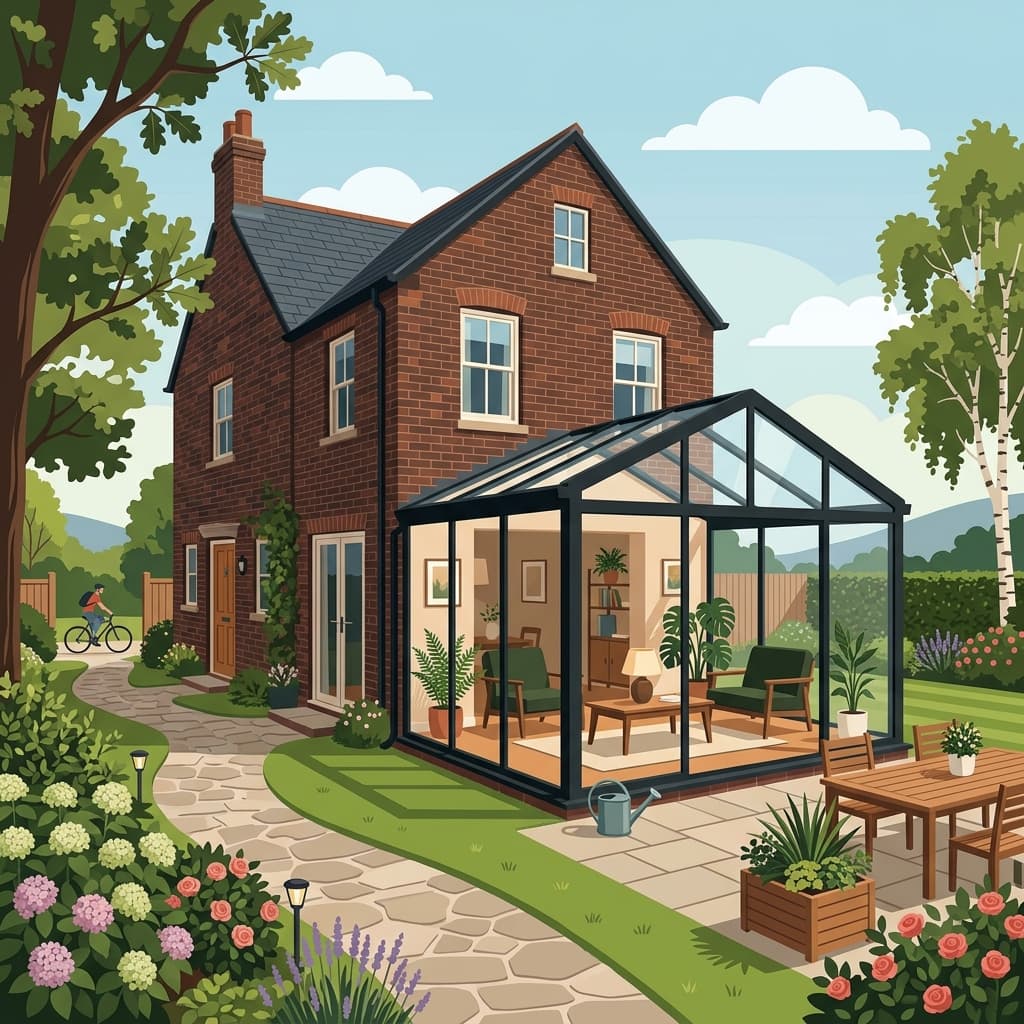
A conservatory is still one of the cheapest ways to add extra living space to a UK home, but "cheap" is relative. Depending on size, style, frame material and roof type, you could pay anywhere from around £8,000 for a small lean-to to well over £35,000 for a large orangery-style build with a solid, insulated roof.
In 2026, most UK homeowners pay between £12,000 and £30,000 for a standard 3m x 3m to 4m x 4m conservatory, with prices typically working out at £1,800 to £3,000+ per square metre once groundwork, glazing and installation are included. A basic uPVC lean-to conservatory can start from around £8,000–£12,000, while a solid-roof orangery can climb past £40,000.
At CalZone, we help homeowners budget for their home improvement projects with clarity and ease. Before requesting quotes, it is always worth running the numbers using our Conservatory calculators or checking other structural extensions using our Kitchen Extension Cost UK 2026 Guide.
Average Conservatory Cost by Size
Size is the single biggest factor in your final bill. Bigger conservatories need more foundation work, more glazing and more labour, so the price rises with every extra square metre — though the cost per square metre often falls slightly as the build gets larger, since fixed costs like planning, base work and doors are spread across more space.
| Size | Approximate Area | Typical Cost Range |
|---|---|---|
| Small (2.5m x 2.5m) | ~6m² | £8,000 – £13,000 |
| Standard (3m x 3m) | ~9m² | £10,000 – £16,000 |
| Medium (4m x 4m) | ~16m² | £15,000 – £24,000 |
| Large (6m x 4m) | ~24m² | £22,000 – £35,000+ |
| Extra-large / orangery-scale | 25m²+ | £35,000 – £50,000+ |
These figures cover a fully installed conservatory including base, frame, glazing and standard finishing. Prices can run higher in London and the South East, where labour and material costs tend to sit above the national average, and lower in parts of the North and Midlands. If you are financing this extension, check your loan repayments with our Mortgage Calculator UK.
Conservatory Cost by Style
The shape of your conservatory affects both material use and how complex the build is, which has a direct impact on price.
- Lean-to: The simplest and most affordable style, with a single-pitch roof that slopes down from the house. Ideal for bungalows or homes with limited height. Typically the cheapest option per square metre.
- Victorian: Recognisable by its bay-fronted, multi-faceted design and ornate ridge detailing. More intricate joinery pushes costs up by roughly 15–20% compared with a lean-to of the same size.
- Edwardian: A square or rectangular footprint with a pitched roof, offering a good balance of extra headroom and manageable cost — usually sitting between lean-to and Victorian pricing.
- Gable-end: Similar to Edwardian but with a full-height, vertical front gable, which increases the glazed area and therefore the price.
- P-shaped or T-shaped: A combination of two styles (often lean-to plus Victorian) that creates separate zones for lounging and dining. These larger, more complex builds sit at the higher end of the price scale.
- Orangery: Technically a hybrid between a conservatory and a brick extension, with more solid walls, a central roof lantern and a more "in-keeping" appearance. Orangeries generally cost 20–40% more than an equivalent glass conservatory.
Conservatory Cost by Material
uPVC
The most budget-friendly and widely fitted frame material in the UK. uPVC is low-maintenance, energy-efficient and available in numerous colours and foiled finishes, though coloured or wood-effect foils typically add around 10% to the base price. Check the VAT on these materials using our VAT Calculator UK.
Aluminium
Slimmer sightlines and a more contemporary look than uPVC, with excellent strength allowing for larger glazed panels. Aluminium frames are more expensive than uPVC — often by several hundred pounds per square metre — but they last longer and require very little upkeep.
Timber (hardwood)
The most premium and traditional option, favoured for period or listed properties. Timber frames cost significantly more than uPVC or aluminium and need periodic treatment or repainting, but many homeowners feel the aesthetic justifies the extra outlay.
Roof Type: The Biggest Cost Swing After Size
The roof you choose can swing your total price more than almost any other single decision.
- Polycarbonate roof: The cheapest option, but offers the least insulation, can be noisy in rain and often overheats in summer. Best suited to occasional-use spaces on a tight budget.
- Glass roof: A step up in comfort and appearance, with better solar control and noise reduction than polycarbonate. This is now the most popular choice for conservatories used year-round.
- Solid (tiled) roof: Effectively converts the conservatory into a fully insulated room, similar to a traditional extension. Solid roofs typically add £3,000–£8,000 to the build cost but can also lower ongoing heating bills, since they dramatically improve thermal performance. Check your solar options using the Solar Panel Payback Period UK Guide or calculate yields using the Solar Panel Yield Calculator UK.
What's Included in the Price — and What Isn't
A typical conservatory quote usually covers:
- Groundwork and foundations (or a raised timber/insulated base)
- The frame, walls and glazing
- The roof structure and covering
- Guttering, fascias and external finishing
- Standard doors
Costs that are often quoted separately, and worth budgeting for on top of the headline price, include:
- Electrics: sockets, lighting and switches, typically £500–£1,500
- Heating: underfloor heating or radiators, from £1,000 upwards
- Flooring: laminate, tile or engineered wood, from £30–£100 per m²
- Plastering and internal finishing for solid-roof or orangery-style builds
- Building control fees, generally £200–£600 depending on your local authority
- VAT at 20%, which some quotes include and others add separately — always check. You can compute VAT-exclusive details using our VAT Calculator UK.
Do You Need Planning Permission?
Most conservatories fall under "permitted development" and don't need full planning permission, provided they meet size and height limits — for example, not extending more than three metres beyond the rear wall of a semi-detached or terraced house (four metres for a detached house), and staying under the height restrictions for eaves and overall roof height. Listed buildings, conservation areas and flats generally have tighter rules.
Because permitted development rights vary by property and local authority, it's worth checking directly with the Planning Portal or your council before committing to a design. A conservatory under 30m² and separated from the house by external-quality doors is often exempt from full building regulations too. For property purchasing guidelines, see the First-Time Buyer UK 2026 Guide or calculate purchase duties on our Stamp Duty Calculator.
Conservatory vs Extension: Which Is Cheaper?
A conservatory is generally less expensive per square metre than a traditional brick-and-mortar extension, mainly because it uses lighter materials and a faster build process. However, a fully insulated, solid-roof conservatory built to current building regulations can end up costing close to what a modest single-storey extension would cost. If you are comparing extensions, browse the Kitchen Extension Cost UK 2026 Guide or check structural repairs with the Boiler Replacement Cost UK Guide.
Before committing to quotes, it's worth modelling a few different specifications for yourself, and browsing related tools like our garden landscaping or home improvement calculators to see how each choice affects the total price. For more UK home and property cost guides, check the Calzone Blog or explore the full Home & Property calculator hub.
Written by Sulzax
Expert writer and contributor at CalZone, specialized in creating accurate tools and simple guidelines for UK readers.
iSources & References
Stamp Duty Calculator
Calculate Stamp Duty Land Tax (SDLT) owed on UK property purchases.
Open Calculator FreeExplore CalZone's Free Specialist Calculators
Plan your finances, property renovations, health goals, and daily commute with our 300+ free UK tools.