
UK Electricity Prices 2026: Tariffs & Bills Explained
Understanding your electricity bill shouldn't require a degree. Our 2026 breakdown explains the unit rates, standing charges, and market forces driving your energy costs.
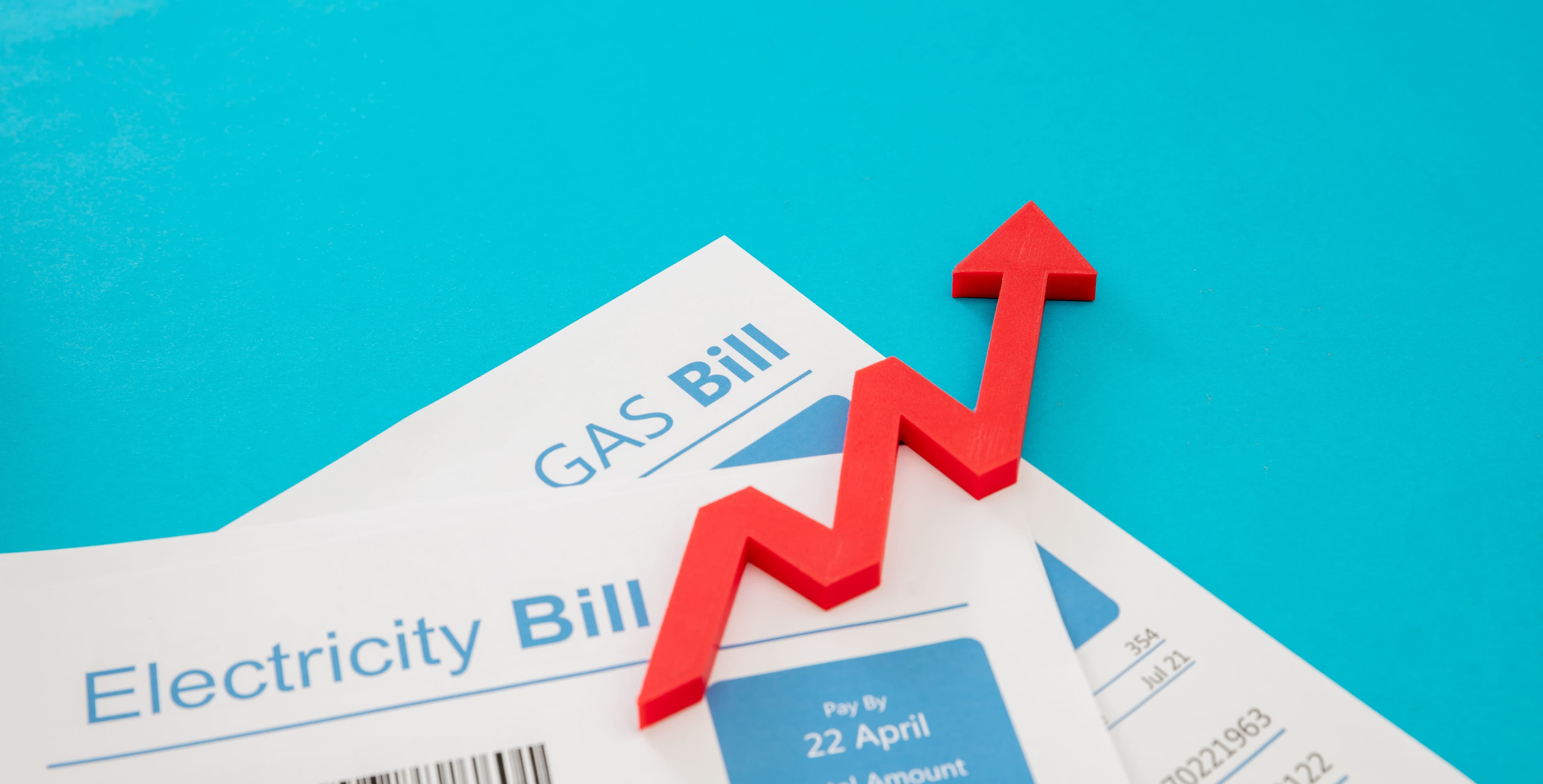
Electricity is the heartbeat of the modern UK home, but for many, the bill remains a confusing jumble of numbers. In 2026, with the energy market still adjusting to post-crisis stability, understanding exactly what you are paying for is the first step toward reducing your overheads.
1. The Anatomy of Your Bill: Standing Charge vs. Unit Rate
Every UK electricity bill consists of two primary components. Understanding the difference is crucial for effective budgeting:
- Standing Charge: A fixed daily fee paid regardless of how much energy you use. This covers the cost of maintaining the cables, meters, and the overall national grid. In 2026, this averages around 60p per day.
- Unit Rate: The price you pay for every kilowatt-hour (kWh) of electricity you consume. For 2026, the average unit rate under the Ofgem price cap is approximately 24.5p per kWh.
2. The Ofgem Price Cap: Your Safety Net
The Ofgem Price Cap remains the most important figure in the UK energy market. It prevents suppliers from overcharging customers on 'Standard Variable Tariffs'.
As of early 2026, the cap is set at £1,928 per year for a multi-fuel household. It is vital to remember: This is not a limit on your total bill. If you leave the lights on or have a poorly insulated home, your bill will exceed this amount.
Choosing the Right Tariff for 2026
| Tariff Type | Best For | Pros | Cons |
|---|---|---|---|
| Standard Variable (SVT) | Most households | Prices capped by Ofgem | Can fluctuate every 3 months |
| Fixed Rate Tariffs | Budgeting stability | Locked price for 12-24 months | Exit fees if you switch early |
| Time-of-Use (Agile) | EV Owners / Tech Savvy | Very cheap off-peak rates | Extremely expensive peak rates |
| Economy 7 | Nigh-time users | Cheap overnight electricity | Expensive daily unit rates |
3. Is Wholesale Gas Still Driving Electricity Prices?
One of the most common questions in 2026 is why electricity prices remain high when renewable generation (Wind and Solar) is at record levels. The answer lies in the Marginal Pricing system.
Because gas-fired power stations are currently used to provide the 'top-up' power when wind or sun isn't enough, the price of the final unit of electricity—which is often the most expensive GAS unit—sets the price for the whole market.
Expert Saving Insight
In 2026, "Time-of-Use" tariffs are becoming the standard for smart-meter homes. Suppliers like Octopus and British Gas now offer "Free-Hours" or significant discounts during periods of high wind generation. Check your app daily to save up to 40% on laundry and EV charging.
4. Smart Meters: Friend or Foe?
By 2026, over 80% of UK homes have a smart meter. While some remain skeptical, they are essential for accessing the most competitive tariffs. A smart meter sends your usage data directly to your supplier, eliminating "estimated bills" and allowing you to see exactly which appliances (like that old tumble dryer) are costing you the most in real-time.
5. Actionable Next Steps
Don't stay on a Standard Variable Tariff if you have the flexibility to switch. Monitor the "Fixed Rate" market every quarter. If the gap between the Price Cap and a Fixed Rate exceeds £100, it's often worth locking in.
Estimate your costs: Use our Electricity Cost Calculator UK to model your usage against the latest 2026 tariff structures.
Electricity Tariff FAQs
What is the Ofgem Price Cap in 2026?
The Ofgem Price Cap for early 2026 is approximately £1,928 per year for a typical household paying by direct debit. This cap limits the unit rate and standing charge that suppliers can charge, but it is not a cap on your total bill—the more you use, the more you pay.
Why is my standing charge so high?
Standing charges cover the cost of maintaining the energy network and the costs associated with failed suppliers. In 2026, many UK households pay roughly 60p per day just to be connected to the grid, regardless of usage.
What is an Economy 7 tariff?
Economy 7 is a differential tariff that offers cheaper electricity for 7 hours overnight. This is ideal for homes with storage heaters or those who charge electric vehicles at night, though daytime rates are typically much higher.
Written by CalZone Energy Analysts
Expert writer and contributor at CalZone, specialized in creating accurate tools and simple guidelines for UK readers.
Electricity Cost Calculator UK
Want to see how the latest 2026 rate changes affect your monthly spend? Use our precise bill estimator.
Open Calculator FreeExplore CalZone's Free Specialist Calculators
Plan your finances, property renovations, health goals, and daily commute with our 300+ free UK tools.