
UK Fuel Prices & Tax Update 2026: The Comprehensive Motorist's Guide
For the millions of drivers in the United Kingdom, the cost of filling up isn't just a number—it's a significant monthly expense. Our deep-dive guide explores the anatomy of a litre of fuel, the latest 2026 tax changes, and actionable strategies to beat the forecourt price hikes.
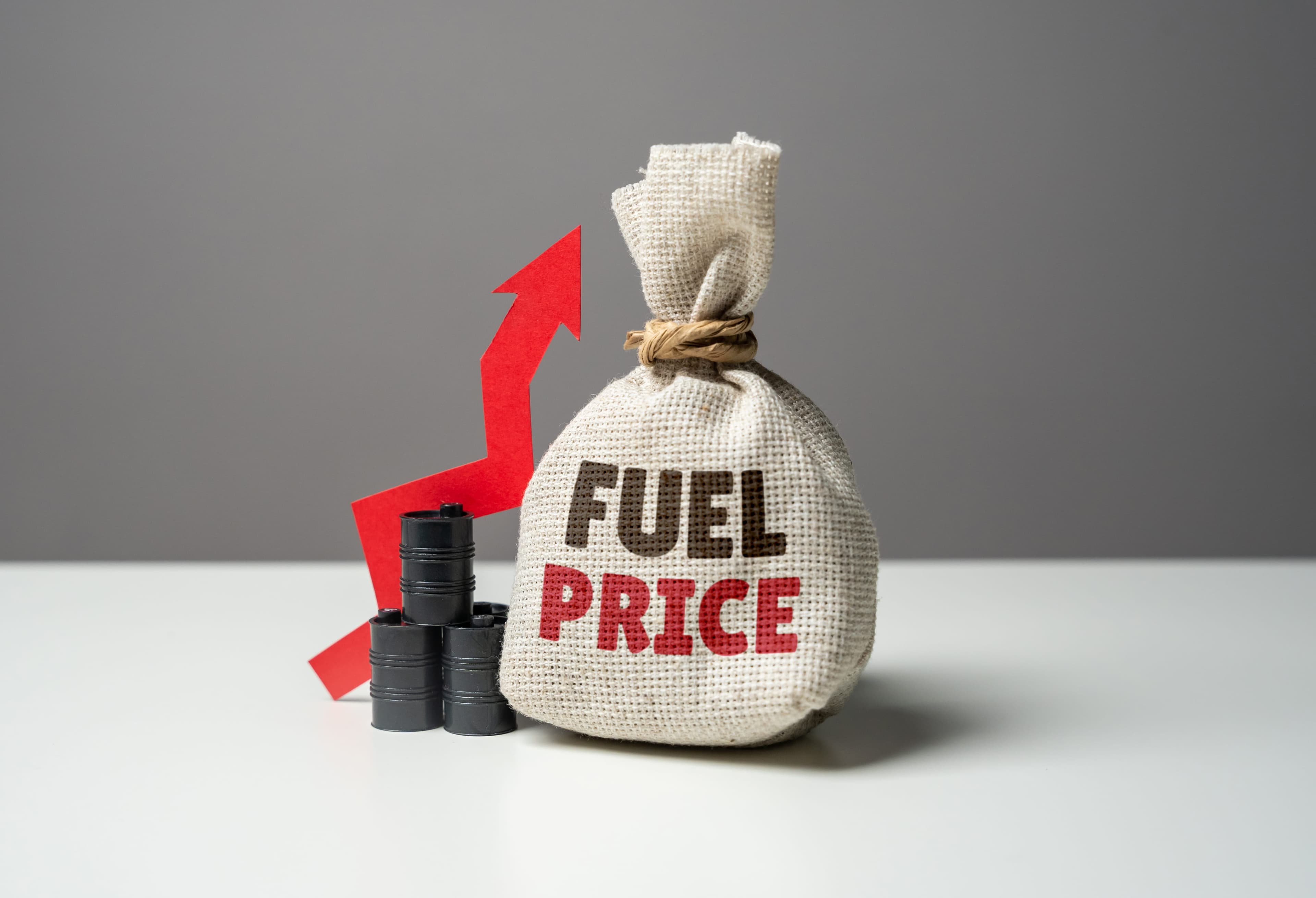
In 2026, the UK's relationship with fossil fuels is at a crossroads. As the nation pivots toward greener energy under ambitious Net Zero targets, traditional petrol and diesel prices remain a volatile but necessary component of daily life for over 32 million motorists. Whether you're commuting to London or navigating rural roads in the Highlands, the logic behind the counter remains the same: a complex mix of global geopolitics and domestic taxation.
1. Current Market Landscape: "Yesterday's Reality"
As we entered this week, the average price of Unleaded Petrol (95 Octane) sat at roughly £1.55 per litre, with Diesel hovering around £1.60. While these figures feel high, they are a reflection of a global oil market grappling with supply chain adjustments and fluctuating demand.
Update: Within the last 24 hours, Brent Crude—the benchmark for fuel prices in Europe—saw a slight uptick. This "Kal ka scene" resulted in a subsequent 2-pence rise at many UK forecourts as retailers adjusted their margins.
2. The Anatomy of a Litre: Where Your Money Goes
Most motorists assume the petrol station owner is making a massive profit on every fill-up. The reality is far different. In the UK, the vast majority of the price per litre goes directly to HM Treasury.
Estimated Cost Breakdown per Litre (2026)
| Cost Component | Estimated Amount | Type | Notes |
|---|---|---|---|
| Wholesale Cost (Product) | £0.60 - £0.70 | Market Variable | Subject to global oil fluctuations |
| Fuel Duty | £0.53 | Fixed Tax | A flat per-litre government levy |
| Retail Margin & Delivery | £0.08 - £0.12 | Operating Margin | Forecourt overheads and logistics |
| VAT (20%) | £0.28 - £0.35 | Percentage Tax | Computed on the final retail sum |
The Fuel Duty Lock
The single largest component of your bill is the Fuel Duty. Currently set at approximately £0.53 per litre, this is a fixed levy. This means if the price of oil falls to record lows, your bill won't reflect it as dramatically as you'd hope, because the tax floor remains firmly in place.
VAT: The 'Tax on Tax' Controversy
Unlike many other goods, fuel is double-taxed. First, the duty is applied to the base product. Then, a 20% Value Added Tax (VAT) is calculated on that total amount. For every pound you spend on petrol, roughly 55p to 60p is pure tax. If you need to calculate VAT for other business or personal expenses, our VAT Calculator UK provides instant breakdowns. This is also a critical factor we've addressed in our Road Tax Guide.
Organic Search Insight
"Wait for the dip, or fill up now?" Many experts use the 'Rocket and Feather' theory to explain UK prices. Prices tend to 'rocket' up when oil becomes expensive, but drift down like a 'feather' when oil prices fall. If you see a global oil dip, expect a 7-day delay before your local station follows suit.
3. Why Prices Fluctuate (and Why You Should Care)
If you want "real results" in your monthly budget, you must understand the four pillars of fuel pricing:
- Global Crude Supply: Decisions made by OPEC+ nations in the Middle East directly affect supply levels in the UK.
- Exchange Rates: Oil is universally priced in USD ($). If the British Pound (£) weakens against the Dollar, petrol prices in Sheffield or Cardiff go up, regardless of how much oil is available.
- Refining Constraints: In recent years, refining capacity in Europe has been tight. Any unplanned maintenance at a UK refinery like Fawley or Stanlow can trigger regional price spikes.
- Supermarket Competition: Brands like Tesco, ASDA, and Sainsbury's often use fuel as a 'loss leader'. If you are financing a new car to improve your fuel economy, our PCP Car Finance Calculator can help you compare monthly payments. They do this to get customers into the aisles. Monitoring these giants is key to finding the lowest regional rates.
4. The Future: Pay-per-Mile and the EV Transition
As more drivers switch to electric vehicles (EVs), the government faces a massive shortfall in fuel duty revenue (estimated at £35 billion annually). Rumors of a "Pay-per-mile" tax system are surfacing for late 2026 and 2027.
If you're considering the switch, check out our Petrol vs. Electric Running Cost Calculator to see how your taxes and fuel spend would shift in the long term.
5. Expert Tips to Beat the Squeeze
Don't just pay what the sign says. Here are the three most effective ways to lower your annual fuel spend:
- Use Pricing Apps: Detailed user-generated apps like PetrolPrices allow you to see exactly which forecourt in a 5-mile radius is the cheapest. The difference can be as high as 10p per litre.
- Maintain Your Tyres: Under-inflated tyres increase rolling resistance. Simply keeping your tyres at the manufacturer-recommended PSI can improve fuel efficiency by up to 3%.
- The Supermarket Strategy: Always check if your supermarket loyalty points (Nectar, Clubcard) can be redeemed for fuel vouchers. Many motorists save over £100 a year through this simple habit.
6. Final Verdict
Navigating UK fuel prices in 2026 requires more than just luck. By understanding the tax breakdown and monitoring global trends, you can make smarter decisions about when and where to fill up.
Plan your journey today: If you're heading out on a trip, use our Journey Cost Calculator to build a precise budget and avoid any "pump shock" at the end of your drive.
Common Questions for 2026
What is the current fuel duty rate in the UK for 2026?
As of early 2026, the UK government maintains a fuel duty of approximately £0.53 per litre for both petrol and diesel. While inflation-linked increases are often discussed in the Spring Budget, the duty has remained largely frozen for over a decade to support household mobility.
Is VAT on fuel a 'tax on a tax'?
Yes, exactly. In the UK, VAT is applied at 20% to the final retail price, which already includes the fuel duty. This means motorists are paying tax on the tax itself, a point of constant debate in fiscal policy.
Why do supermarket petrol stations usually have cheaper prices?
Supermarkets often use fuel as a 'loss leader'—they accept lower profit margins on petrol to attract more shoppers to their stores. They also buy in massive volumes, allowing them to better negotiate supply contracts compared to smaller independent forecourts.
How does the Brent Crude oil price affect UK pump prices?
Brent Crude is the global benchmark for oil prices. When its price rises on the international market, UK refineries pay more, and those costs are eventually passed to consumers. However, retailers are often faster at raising prices than they are at lowering them—a phenomenon known as 'rocket and feather' pricing.
Written by CalZone Economics Team
Expert writer and contributor at CalZone, specialized in creating accurate tools and simple guidelines for UK readers.
iSources & References
Fuel Cost Calculator UK
Planning a long commute or weekend getaway? Use our clinical-grade tool to estimate your exact spend based on current regional rates.
Open Calculator FreeExplore CalZone's Free Specialist Calculators
Plan your finances, property renovations, health goals, and daily commute with our 300+ free UK tools.