
Winter Energy Saving Tips for UK Homes (2026 Guide)
Winter doesn't have to mean a financial freeze. Our comprehensive 2026 guide reveals the most effective ways to keep your home warm and your bills manageable during the coldest months.
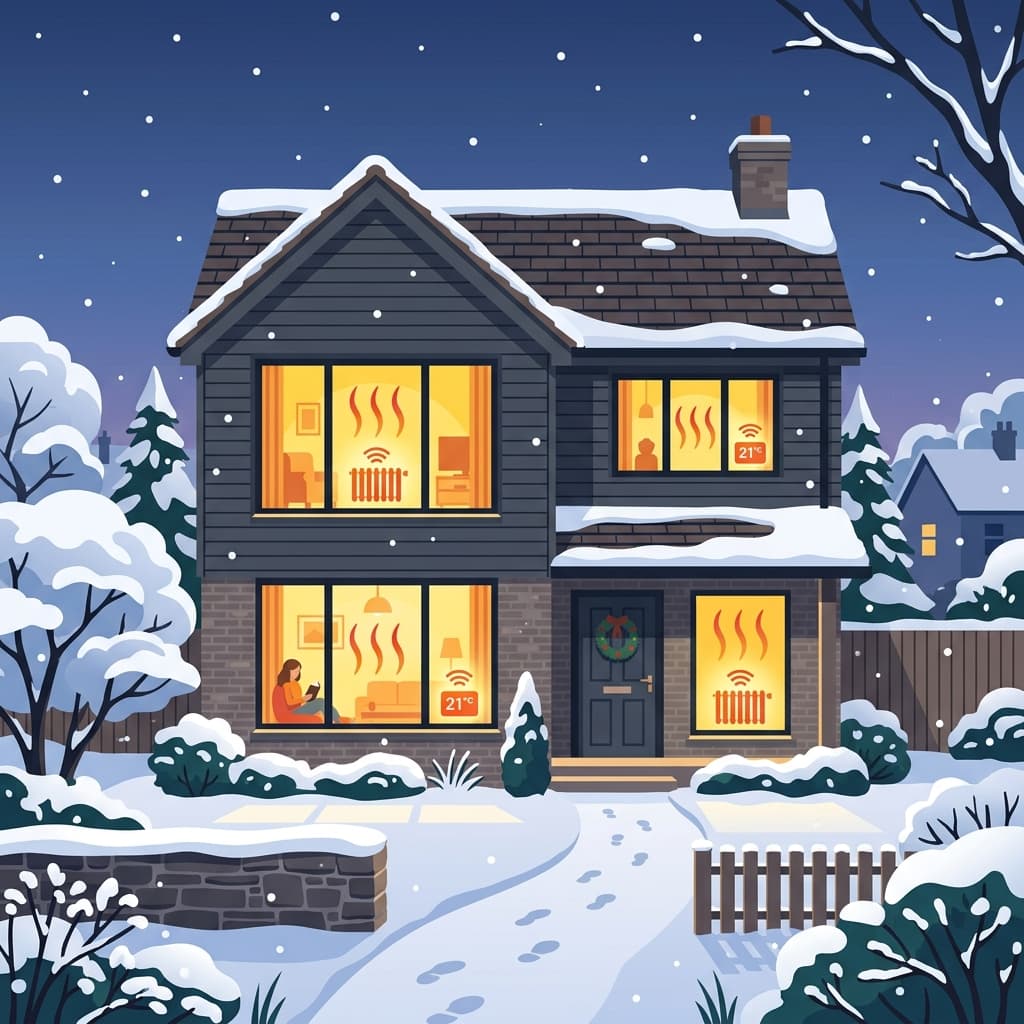
For the majority of UK residents, winter energy consumption averages 3x more than summer usage due to heating requirements. In 2026, the cost of gas and electricity remains high, making home-wide efficiency essential. This guide provides a step-by-step checklist to 'winter-proof' your property and avoid unexpected bill shocks.
1. Radiator Maintenance: The Warmth Hack
If your radiators are cold at the top or have 'cold spots', they are not operating correctly.
Bleeding your radiators is a 10-minute job that can significantly improve heat distribution. Use a radiator key to release trapped air until water begins to trickle. Furthermore, never block radiators with furniture or curtains. A sofa placed in front of a radiator will absorb the heat meant for the room, forcing your boiler to run longer for the same temperature.
Quick Winter Saving Checklist
| Tip | Typical Saving | Implementation Time | Difficulty Level |
|---|---|---|---|
| Bleed Radiators | £20/year | 10-15 Minutes | Low |
| Reflective Foil behind Radiators | £35/year | 30 Minutes | Low |
| Heavy Curtains & Thermal Linings | £45/year | Immediate | Low |
| External Door Brush Draught-Excluder | £25/year | 20 Minutes | Low |
| Loft Hatch Insulation & Draught-Proofing | £15/year | 45 Minutes | Medium |
| Turning down Thermostat by 1°C | £100+/year | 10 Seconds | V. Low |
2. Draught-Proofing: The Low-Cost Essential
A 'leaky' house is an expensive house. Stopping cold air from entering and warm air from escaping is the single best ROI move you can make.
- Letterbox & Keyholes: Small gaps add up. Use a simple letterbox draught-excluder or an internal cover for keyholes.
- Chimney Balloons: If you have an unused open fireplace, a chimney balloon or 'sheep' can block huge volumes of warm air from escaping up the stack.
- Window Strips: Self-adhesive foam or rubber strips on sashes and frames can stop whistling draughts during winter storms.
The 'Curtain Trap' Trick
In 2026, many homes are using heavy 'thermal-lined' curtains. Close them before dusk to trap the day's residual warmth inside. Ensure they reach the floor or the windowsill to create a complete seal over the glass.
3. Smart Heating Controls
By 2026, Smart TRVs (Thermostatic Radiator Valves) have become affordable. These allow you to heat only the rooms you are using. For example, you can keep the living room at 19°C while keeping the spare bedroom at a 'maintenance' level of 12°C. This 'zonal heating' approach can save an additional 5-10% on your gas bill.
4. Insulate the Loft Hatch
Many people have thick loft insulation but forget the loft hatch itself. An uninsulated hatch is essentially a hole in your home's thermal defense. Stapling a piece of polystyrene or mineral wool insulation to the top of the hatch and adding a seal around the edges can prevent a significant 'stack effect' that draws heat into the attic.
5. Condensing Boiler Optimization
Modern condensing boilers work best when the return water temperature is low (below 55°C). If your boiler 'plumes' (the white steam-like cloud from the flue) constantly, it's likely not condensing efficiently. Lowering the flow temperature on your boiler dial can force it into condensing mode more often, saving you roughly £80-£100 per year.
Simulate your savings: Use our Gas Bill Calculator to see how much a 10% reduction in heating usage could impact your annual 2026 energy forecast.
Winter Energy FAQs
What is a 'Vampire Device'?
An electronic device that consumes electricity even when it is in standby or 'off' mode. Examples include old TVs, games consoles, microwave clocks, and laptop chargers. Unplugging these can save a UK household over £35 per year.
How much cold can a house handle before frost damage occurs?
Most experts recommend a minimum thermostat setting of 7°C - 10°C (Frost Protection) to prevent pipes from freezing during extreme UK winter snaps, even if the property is unoccupied.
Does foil behind radiators really work?
Yes. Reflective radiator foil can prevent up to 50% of radiant heat from being absorbed into the wall, reflecting it back into the living space. This is especially effective on uninsulated solid brick external walls common in older UK homes.
Written by CalZone Efficiency Specialists
Expert writer and contributor at CalZone, specialized in creating accurate tools and simple guidelines for UK readers.
Gas Bill Calculator
Learn how the winter surge in gas and electricity prices will impact your specific household budget using our simulator.
Open Calculator FreeExplore CalZone's Free Specialist Calculators
Plan your finances, property renovations, health goals, and daily commute with our 300+ free UK tools.